Delve into the world of Frank Lloyd Wright homes, where architectural brilliance meets nature's influence. This captivating journey promises to unveil the unique features and design principles that define these iconic homes.
Discover the essence of Frank Lloyd Wright's architectural legacy as we unravel the beauty and significance behind his celebrated creations.
Frank Lloyd Wright Homes Overview
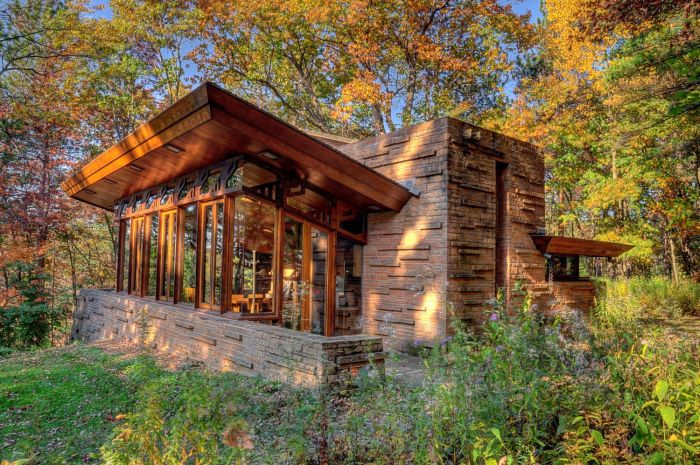
Frank Lloyd Wright was a renowned architect known for his distinct architectural style that emphasized harmony between human habitation and the natural world. His homes are characterized by their organic integration into the surrounding environment, unique geometric shapes, and use of natural materials.
Architectural Style
Frank Lloyd Wright homes are known for their Prairie School style, characterized by horizontal lines, overhanging eaves, and open floor plans. This style aimed to create a seamless connection between the interior and exterior spaces, blurring the boundaries between nature and man-made structures.
Key Features
- Use of natural materials such as wood, stone, and brick
- Open floor plans with flowing spaces
- Integration of geometric shapes and clean lines
- Large windows to bring in natural light and connect with the outdoors
- Flat or low-pitched roofs with extended overhangs
Influence of Nature
Frank Lloyd Wright drew inspiration from nature in his designs, incorporating elements such as natural light, water features, and landscapes into his homes. He believed that architecture should complement and enhance the natural environment, creating a sense of harmony and tranquility for the occupants.
Iconic Frank Lloyd Wright Homes
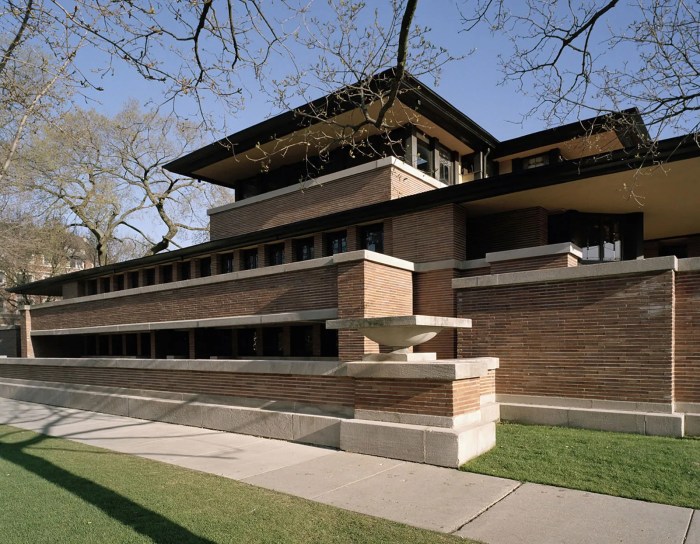
Frank Lloyd Wright is known for designing many iconic homes that showcase his innovative architectural style and principles. Some of the most famous Frank Lloyd Wright homes include Fallingwater and the Robie House.
Fallingwater
Fallingwater, located in Pennsylvania, is one of Frank Lloyd Wright's most famous works. Built in 1935, this home is known for its unique integration with the surrounding natural environment. The house is built over a waterfall, with cantilevered terraces that extend over the water, creating a seamless connection between the indoors and outdoors.
The use of local stone and concrete, along with expansive glass windows, further enhances the integration of the house with its surroundings. Fallingwater is considered a masterpiece of organic architecture and is a UNESCO World Heritage Site.
Robie House
The Robie House, located in Chicago, is another iconic Frank Lloyd Wright home. Built in 1910, this Prairie-style house is known for its horizontal lines, overhanging eaves, and open floor plan. The house features a low-pitched roof, long bands of windows, and an emphasis on horizontal planes, which are typical characteristics of Wright's Prairie style.
The Robie House is considered one of the best examples of Wright's early work and is a National Historic Landmark.
Interior Design of Frank Lloyd Wright Homes
Frank Lloyd Wright was known for his innovative approach to interior design, blending architecture with furniture and fixtures to create a cohesive living space. His designs emphasized the use of natural materials and open spaces to connect the indoors with the outdoors seamlessly.
Principles of Interior Design in Frank Lloyd Wright Homes
- Unity: Wright believed in creating a harmonious flow between the architecture, furniture, and decor in his homes, ensuring that every element worked together to form a unified whole.
- Functionality: He prioritized the functionality of the space, designing furniture and fixtures that were not only aesthetically pleasing but also practical and comfortable for everyday use.
- Simplicity: Wright's interiors were characterized by clean lines, geometric shapes, and minimal ornamentation, reflecting his belief in simplicity and clarity in design.
- Natural Light: He incorporated ample natural light into his designs, using large windows, skylights, and open floor plans to create bright and airy spaces that felt connected to the surrounding environment.
Integration of Furniture and Fixtures
- Custom Furniture: Wright often designed custom furniture pieces specifically tailored to fit his architectural spaces, ensuring a seamless integration between the built environment and the furnishings.
- Built-in Features: He incorporated built-in shelving, seating, and storage solutions into his designs, maximizing space efficiency and creating a sense of unity throughout the interiors.
- Organic Forms: Wright's furniture designs often featured organic forms inspired by nature, such as his iconic Prairie-style chairs and tables, adding a sense of warmth and natural beauty to the spaces.
Use of Natural Materials and Open Spaces
- Wood and Stone: Wright frequently used natural materials like wood and stone in his interiors, bringing a sense of warmth, texture, and authenticity to the spaces.
- Open Floor Plans: He embraced open floor plans that allowed for a fluid movement between rooms, creating a sense of spaciousness and blurring the boundaries between different living areas.
- Integration with Nature: Wright's homes often featured elements like indoor gardens, water features, and expansive windows that connected the interior spaces with the natural surroundings, fostering a sense of harmony and tranquility.
Preservation and Restoration of Frank Lloyd Wright Homes
Maintaining the original integrity of Frank Lloyd Wright homes presents several challenges due to the unique design elements and materials used in these historical properties. Preserving these iconic homes is crucial to honoring Wright's architectural legacy and ensuring future generations can appreciate his work.
Challenges in Preserving Frank Lloyd Wright Homes
- Original materials: Finding matching materials for repairs and renovations can be difficult due to the use of specific materials by Wright.
- Unique design features: Restoring intricate design elements requires skilled craftsmen familiar with Wright's style.
- Structural issues: Addressing structural concerns while maintaining the original aesthetics can be complex.
Importance of Maintaining Original Integrity
- Historical significance: Frank Lloyd Wright homes are architectural treasures that reflect a specific period in design history.
- Cultural heritage: Preserving these homes honors the contributions of Wright to American architecture and design.
- Educational value: Studying well-maintained Wright homes provides insights into his innovative design principles.
Examples of Successful Restoration Projects
- Fallingwater: Extensive restoration work was done to address structural issues and preserve the unique cantilever design of the house.
- Taliesin West: Ongoing restoration efforts focus on maintaining the original desert masonry and integrating sustainable practices.
- Robie House: Renovation projects have successfully restored the iconic horizontal lines and Prairie-style elements of the house.
Conclusive Thoughts
In conclusion, the allure of Frank Lloyd Wright homes lies in their timeless appeal and harmonious blend of nature and design. From iconic structures to innovative interior concepts, these homes continue to inspire generations with their enduring beauty and architectural innovation.
Question & Answer Hub
What is the architectural style of Frank Lloyd Wright homes?
Frank Lloyd Wright homes are known for their organic architecture, characterized by harmony with nature and unique geometric shapes.
Which are some of the most famous Frank Lloyd Wright homes?
Iconic examples include Fallingwater, Robie House, and Taliesin West.
How does Frank Lloyd Wright integrate furniture into his home designs?
Wright believed in creating furniture and fixtures that harmonized with the overall design of the home, often custom-designed for each space.
What are the challenges involved in preserving Frank Lloyd Wright homes?
Preservation challenges include maintaining original materials, dealing with structural issues, and ensuring historical accuracy.
Can you give examples of successful restoration projects of Frank Lloyd Wright homes?
Notable examples include the restoration of Fallingwater and the ongoing preservation efforts at the Robie House.