Asbestos house siding, a material steeped in history and controversy, has played a significant role in the construction industry. This article delves into the origins, uses, and risks associated with asbestos siding, shedding light on a topic that continues to intrigue and concern homeowners.
As we navigate through the layers of information surrounding asbestos house siding, a clearer picture emerges of its impact on health, regulations, and safe removal practices.
Introduction to Asbestos House Siding
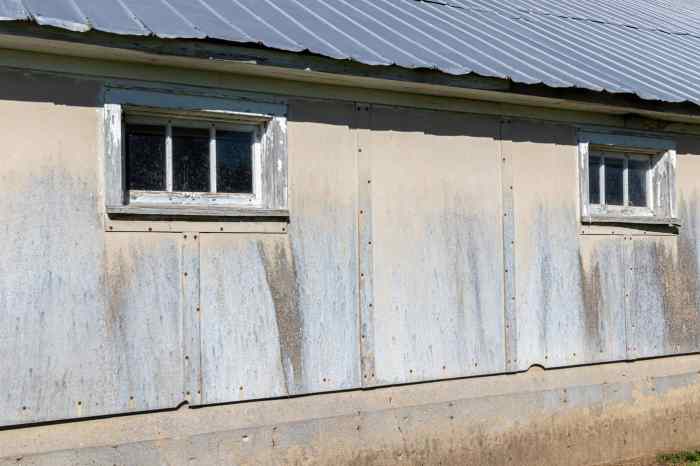
Asbestos house siding refers to exterior cladding materials that contain asbestos fibers. These siding materials were commonly used in construction due to their durability and fire-resistant properties.
Common Uses of Asbestos in House Siding
Asbestos was often used in house siding in the form of cement sheets, shingles, or panels. These materials provided a cost-effective solution for homeowners looking for a low-maintenance and long-lasting siding option.
History of Asbestos Siding and Its Popularity
During the mid-20th century, asbestos siding gained popularity in the construction industry due to its resistance to fire, rot, and pests. It was considered a versatile and durable material that could withstand harsh weather conditions, making it a preferred choice for many homeowners.
Health Risks Associated with Asbestos House Siding
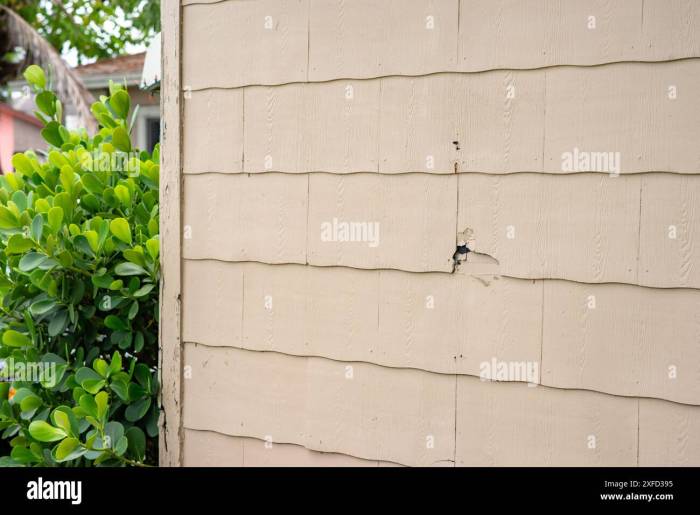
Asbestos house siding, while durable and fire-resistant, poses significant health risks due to the presence of asbestos fibers. When asbestos materials deteriorate or are disturbed during renovations, these fibers can become airborne and easily inhaled, leading to various health issues.
Potential Health Hazards of Asbestos Exposure
Asbestos exposure is linked to serious health conditions such as lung cancer, mesothelioma, and asbestosis. These diseases often have a long latency period, with symptoms typically appearing years or even decades after initial exposure. Asbestos fibers can penetrate deep into the lungs, causing inflammation and scarring that may result in respiratory issues and reduced lung function.
Link Between Asbestos Siding and Respiratory Issues
Asbestos house siding can release fibers into the air when disturbed or damaged, putting individuals at risk of inhaling these harmful particles. Once inhaled, asbestos fibers can accumulate in the lungs and lead to respiratory problems such as coughing, shortness of breath, and chest pain.
Prolonged exposure to asbestos fibers increases the likelihood of developing serious respiratory conditions.
Risks of Asbestos Fibers Becoming Airborne
The main danger of asbestos house siding lies in the potential for asbestos fibers to become airborne. Activities like drilling, sanding, or cutting asbestos siding can release these microscopic fibers into the surrounding environment. Once airborne, these fibers can be easily inhaled and pose a threat to anyone in the vicinity.
It is crucial to handle asbestos-containing materials with care to prevent the release of fibers and minimize the risk of exposure.
Removal and Replacement of Asbestos House Siding
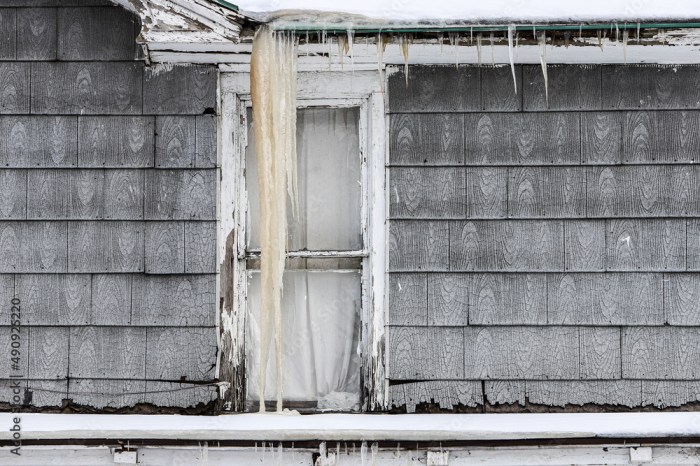
When it comes to dealing with asbestos house siding, proper removal and replacement procedures are crucial for ensuring the safety of individuals and the environment. It is essential to follow specific guidelines and hire professionals to handle the removal process to minimize the risk of asbestos exposure.
Proper Procedures for Safely Removing Asbestos Siding
- First and foremost, it is important to conduct a thorough inspection to determine the extent of asbestos presence in the siding.
- Ensure that the area is properly sealed off to prevent asbestos fibers from spreading during the removal process.
- Wear appropriate protective gear, including masks, gloves, and coveralls, to minimize exposure to asbestos fibers.
- Use wet removal techniques to dampen the siding and reduce the release of asbestos fibers into the air.
- Dispose of the asbestos-containing materials properly according to local regulations and guidelines.
The Importance of Hiring Professionals for Asbestos Siding Removal
- Professionals have the training and experience to safely handle asbestos removal and disposal.
- They have access to specialized equipment and tools to minimize the risk of asbestos exposure.
- Professional asbestos removal companies follow strict safety protocols and guidelines to protect both workers and residents.
- Hiring professionals ensures that the removal process is done efficiently and effectively, reducing the risk of contamination.
Eco-Friendly Replacement Options for Asbestos Siding
- Consider replacing asbestos siding with eco-friendly alternatives such as fiber cement siding, wood siding, or vinyl siding.
- Fiber cement siding is a durable and low-maintenance option that does not contain asbestos or other harmful materials.
- Wood siding provides a natural and aesthetically pleasing look while being environmentally friendly and sustainable.
- Vinyl siding is a cost-effective and energy-efficient option that is easy to maintain and does not pose health risks like asbestos.
Regulations and Guidelines for Dealing with Asbestos House Siding
When it comes to dealing with asbestos house siding, there are strict regulations and guidelines in place to ensure the safety of individuals and the environment. It is crucial to follow these regulations to prevent exposure to harmful asbestos fibers.
Laws and Regulations Related to Handling Asbestos Materials
- The Environmental Protection Agency (EPA) regulates the handling, removal, and disposal of asbestos-containing materials.
- The Occupational Safety and Health Administration (OSHA) sets standards for protecting workers from asbestos exposure during removal and abatement processes.
- Local and state regulations may also apply, so it is important to check with the appropriate authorities before starting any asbestos siding removal project.
Proper Disposal Methods for Asbestos-Containing Materials
- Asbestos-containing materials must be carefully packaged and labeled according to regulations before disposal.
- Specialized disposal sites that are permitted to handle asbestos waste should be used to ensure proper containment and disposal.
- It is essential to follow specific guidelines for transporting and disposing of asbestos-containing materials to prevent any release of fibers into the environment.
Role of Inspections and Assessments in Dealing with Asbestos Siding
- Prior to any removal or abatement work, a thorough inspection should be conducted to determine the extent of asbestos contamination in the siding.
- Professional asbestos inspectors can assess the risk level and recommend the appropriate course of action for safe removal and replacement of asbestos siding.
- Regular inspections and monitoring are essential to ensure that any remaining asbestos materials are properly contained and do not pose a risk to occupants or workers.
Ultimate Conclusion
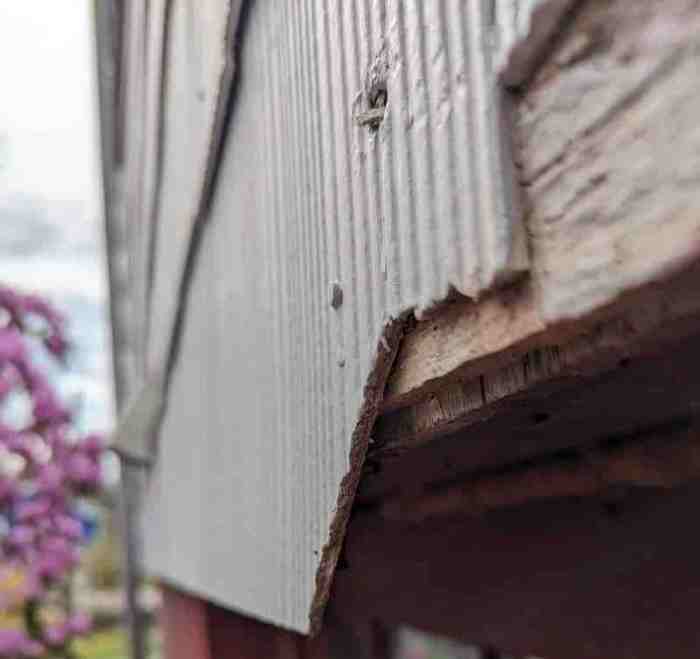
In conclusion, the exploration of asbestos house siding reveals a complex narrative that intertwines past practices with present-day concerns. By understanding the risks and regulations associated with this material, homeowners can make informed decisions to safeguard their well-being and the environment.
FAQ Explained
What are the common uses of asbestos in house siding?
Asbestos was commonly used in house siding for its durability, fire resistance, and insulating properties.
How can homeowners safely remove asbestos siding?
Homeowners should hire professionals trained in asbestos removal to ensure safe and proper disposal of the material.
What are the health risks associated with asbestos exposure from house siding?
Exposure to asbestos fibers can lead to respiratory issues, lung diseases, and even cancer.