Embark on a journey into the world of house designing, where creativity meets functionality to create stunning living spaces. From envisioning layouts to selecting color palettes, house designers play a crucial role in shaping the way we live. This guide will explore the intricacies of this profession, providing insights into the skills, challenges, and trends that define the field.
As we delve deeper, you will gain a comprehensive understanding of what it takes to excel as a house designer and how to navigate the ever-evolving landscape of design trends.
What Does a House Designer Do?
A house designer is responsible for creating functional and aesthetically pleasing spaces within residential buildings. They work closely with clients to understand their needs and preferences, and then use their design skills to bring those visions to life.
Role and Responsibilities
- Collaborating with clients to determine design requirements
- Creating detailed drawings and plans for construction
- Selecting materials, finishes, and furnishings
- Ensuring designs comply with building codes and regulations
- Overseeing construction to ensure design intent is maintained
Examples of Tasks
- Designing floor plans that optimize space and flow
- Selecting color schemes and finishes for interior and exterior spaces
- Choosing furniture and decor that complement the overall design aesthetic
- Collaborating with architects, engineers, and contractors throughout the design and construction process
Importance of Creativity and Attention to Detail
House designers must possess a high level of creativity to envision innovative and unique designs that meet the needs of their clients. Attention to detail is crucial in ensuring that every aspect of the design is meticulously planned and executed, from the layout of rooms to the selection of materials.
Skills Required to Become a House Designer
To excel as a house designer, one needs a combination of technical skills and soft skills. Technical skills involve proficiency in design software, drafting, and knowledge of building codes. Soft skills include communication, creativity, problem-solving, and time management.
Technical Skills vs. Soft Skills
- Technical Skills:
- Proficiency in design software such as AutoCAD, SketchUp, or Revit.
- Knowledge of architectural drafting and detailing.
- Familiarity with building codes and regulations.
- Soft Skills:
- Effective communication with clients, contractors, and team members.
- Creativity in designing functional and aesthetically pleasing spaces.
- Problem-solving skills to address design challenges.
- Time management to meet project deadlines.
Significance of Staying Updated with Design Trends
Staying updated with the latest design trends is crucial for house designers to remain competitive and relevant in the industry. It allows designers to offer fresh and innovative ideas to clients, adapt to changing preferences, and incorporate modern technologies into their designs.
By keeping up with design trends, house designers can showcase their expertise and attract a wider client base seeking contemporary and stylish living spaces.
Education and Training for House Designers
House designers typically require a combination of formal education, specialized training, and practical experience to excel in their careers.
Typical Educational Background
Most house designers have a bachelor's degree in architecture, interior design, or a related field. These programs provide a strong foundation in design principles, building codes, and construction techniques.
Specialized Training Programs
- Many house designers pursue additional training in computer-aided design (CAD) software to create detailed plans and drawings.
- Some designers may also choose to specialize in sustainable design, historic preservation, or other niche areas through specialized courses or workshops.
- Obtaining certifications from organizations like the American Institute of Building Design (AIBD) can also enhance a designer's credentials.
Importance of Practical Experience
Internships or apprenticeships are invaluable opportunities for house designers to gain hands-on experience working with clients, collaborating with architects and contractors, and seeing projects through from concept to completion.
Tools and Software Used by House Designers
House designers utilize a variety of tools and software to bring their creative visions to life. These tools help them to plan, design, and visualize spaces efficiently.
Essential Tools and Software
- Computer-Aided Design (CAD) Software: Programs like AutoCAD and SketchUp are commonly used for creating detailed floor plans, elevations, and 3D models.
- Building Information Modeling (BIM) Software: Tools such as Revit allow designers to create intelligent 3D models with data-rich information that can be used for collaboration and project management.
- Graphic Design Software: Software like Adobe Photoshop and Illustrator are used for creating presentations, mood boards, and other visual materials.
- Virtual Reality (VR) Software: VR tools like Enscape or Lumion enable designers to create immersive experiences and walkthroughs of their designs.
- Measuring Tools: Physical tools like tape measures and laser measurers are essential for accurately measuring spaces and dimensions.
Comparison of Software Options
When it comes to choosing software for house design, each option has its own strengths and weaknesses. AutoCAD, for example, is known for its precision and versatility, while SketchUp is praised for its user-friendly interface and ease of use. Revit, on the other hand, is favored for its BIM capabilities and integration with other project management tools.
Impact of Technology on Workflow
- Efficiency: Technology has streamlined the design process, allowing designers to work faster and more accurately.
- Collaboration: Software tools enable real-time collaboration with clients, contractors, and other stakeholders, improving communication and decision-making.
- Visualization: Advanced software provides realistic renderings and virtual tours, helping clients better understand and visualize the final design.
- Sustainability: Tools like energy modeling software help designers create environmentally-friendly and energy-efficient designs.
Challenges Faced by House Designers
House designers often encounter various challenges throughout their projects, which can impact the overall success of the design process. Overcoming these obstacles requires creativity, problem-solving skills, and effective time management. Here, we will discuss some common challenges faced by house designers and provide tips on how to navigate through them efficiently.
Managing Client Expectations
One of the key challenges for house designers is managing client expectations. Clients may have specific ideas and preferences that can sometimes be unrealistic or conflicting with the designer's vision. To overcome this challenge, it is important to establish clear communication with the client from the beginning, set realistic goals, and manage expectations effectively.
Providing regular updates and seeking feedback throughout the design process can help align expectations and ensure client satisfaction.
Budget Constraints
Another common challenge for house designers is working within budget constraints. Balancing design creativity with budget limitations can be a daunting task. To address this challenge, designers can prioritize key design elements, explore cost-effective alternatives, and collaborate with clients to find solutions that meet both aesthetic and financial requirements.
Developing a detailed budget plan and tracking expenses closely can help manage costs effectively.
Tight Deadlines
Meeting tight deadlines is a constant challenge for house designers, especially when juggling multiple projects simultaneously. To overcome this obstacle, designers can create a project timeline with clear milestones and deadlines, prioritize tasks based on urgency, and delegate responsibilities when necessary.
Efficient time management, effective scheduling, and the ability to adapt to changing timelines are essential skills for successfully completing projects on time.
Trends in House Designing
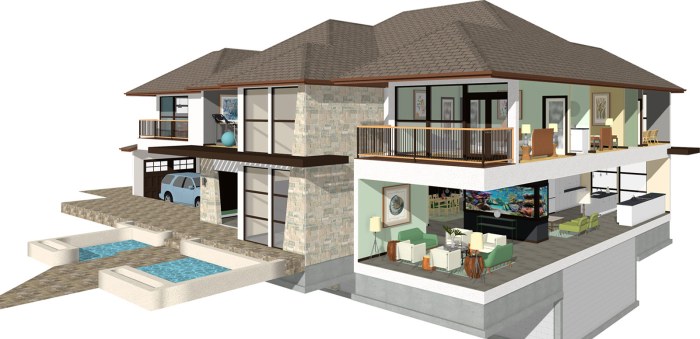
House designing is constantly evolving to meet the changing needs and preferences of homeowners. Let's explore some of the current trends shaping the world of house design.
Sustainable Architecture
Sustainable architecture has gained popularity in recent years as more people become environmentally conscious. This trend focuses on using eco-friendly materials and design techniques to reduce the carbon footprint of buildings.
- Utilizing renewable energy sources such as solar panels and wind turbines.
- Incorporating passive design strategies to maximize energy efficiency.
- Using recycled or reclaimed materials in construction.
Smart Home Integration
The integration of smart home technology has revolutionized the way houses are designed and operated. Smart devices and systems allow homeowners to control various aspects of their homes remotely, enhancing convenience and efficiency.
- Installing smart thermostats for energy savings and comfort control.
- Implementing home automation systems for lighting, security, and entertainment.
- Incorporating voice-activated assistants like Amazon Alexa or Google Home.
Innovative Design Concepts
Designers are pushing the boundaries of creativity with innovative concepts that challenge traditional notions of house design. These forward-thinking ideas are shaping the future of residential architecture.
- Flexible and adaptable living spaces that can be customized to suit changing needs.
- Mixing different architectural styles to create unique and eclectic homes.
- Embracing minimalism and simplicity in design to create clean and contemporary spaces.
Epilogue
In conclusion, the path to becoming a successful house designer is paved with dedication, creativity, and a keen eye for detail. By staying informed, honing your skills, and embracing innovation, you can carve out a rewarding career in this dynamic field.
So, are you ready to transform spaces and leave your mark on the world of design?
User Queries
What are the key responsibilities of a house designer?
A house designer is responsible for creating functional and aesthetically pleasing living spaces by developing layouts, selecting materials, and coordinating with clients and contractors.
What are the essential technical skills required for a house designer?
Technical skills such as proficiency in CAD software, knowledge of building codes, and spatial planning are crucial for a house designer.
Is practical experience through internships important for aspiring house designers?
Yes, gaining practical experience through internships or apprenticeships can provide invaluable hands-on learning opportunities and help aspiring house designers build a strong portfolio.
How has technology impacted the workflow of house designers?
Technology has streamlined the design process for house designers, allowing for more efficient collaboration, 3D modeling, and virtual presentations.
What are some current trends in house designing?
Current trends in house designing include sustainable architecture, smart home integration, and the use of natural materials to create eco-friendly living spaces.