Delving into the realm of melted siding, this introductory passage invites readers with a comprehensive look at the reasons, materials, effects, and maintenance tips related to this issue. Prepare to uncover valuable insights and practical advice in the following sections.
The subsequent paragraph will provide detailed information on the topic at hand.
Causes of Melted Siding
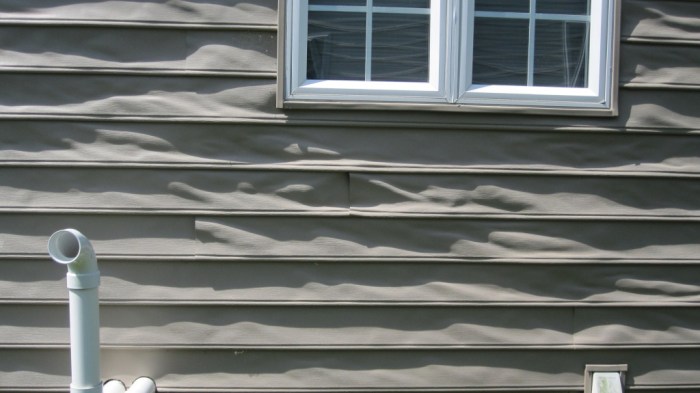
When it comes to melted siding, there are several factors that can contribute to this issue. From environmental conditions to improper installation, understanding the causes can help prevent further damage and ensure the longevity of your siding.
Environmental Factors
- Extreme heat from direct sunlight: Intense heat from the sun, especially in hot climates, can cause vinyl siding to melt over time.
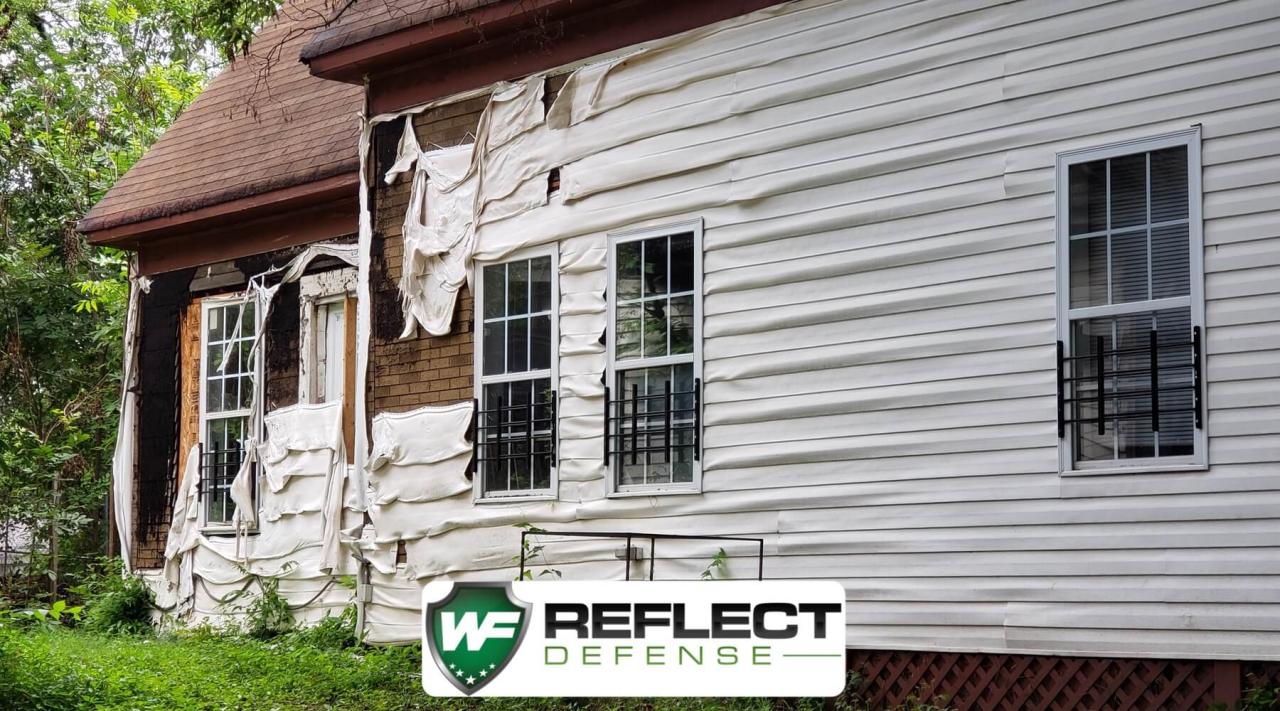
- Reflection from nearby objects: Surfaces such as windows, glass doors, or even metal objects reflecting sunlight onto the siding can lead to melting.
- Proximity to heat sources: Siding located close to grills, fire pits, or other heat-emitting sources can also melt due to the high temperatures.
Improper Installation
- Incorrect spacing: If the siding panels are placed too close together during installation, there may not be enough room for expansion and contraction, leading to warping and melting.
- Lack of ventilation: Poor ventilation behind the siding can trap heat and moisture, causing the siding to melt and deteriorate prematurely.
- Using the wrong type of siding: Choosing a siding material that is not suitable for the climate or environment can result in melting and other issues.
Types of Siding Materials
When it comes to siding materials, there are several options available for homeowners to choose from. Each type of material reacts differently to heat, which can impact its durability and resistance. Let's explore the common siding materials and how they fare under high temperatures.
Vinyl Siding
Vinyl siding is a popular choice due to its affordability and low maintenance requirements. However, vinyl siding has a lower heat resistance compared to other materials. It can melt or warp when exposed to high temperatures, making it less suitable for areas with extreme heat.
Wood Siding
Wood siding provides a natural and classic look to a home. While wood siding is more resistant to heat compared to vinyl, it is still susceptible to warping or cracking when exposed to prolonged heat. Proper maintenance and treatment can help improve its heat resistance.
Metal Siding
Metal siding, such as aluminum or steel, offers excellent heat resistance and durability. It is less likely to melt or warp under high temperatures, making it a suitable option for areas with extreme heat exposure. Metal siding is also fire-resistant, adding an extra layer of protection to the home.
Fiber Cement Siding
Fiber cement siding is a composite material made from cement, sand, and cellulose fibers. It has high heat resistance and is less likely to warp or melt compared to vinyl or wood siding. Fiber cement siding is also resistant to pests, rot, and fire, making it a durable and long-lasting choice for homeowners.
Effects of Melted Siding
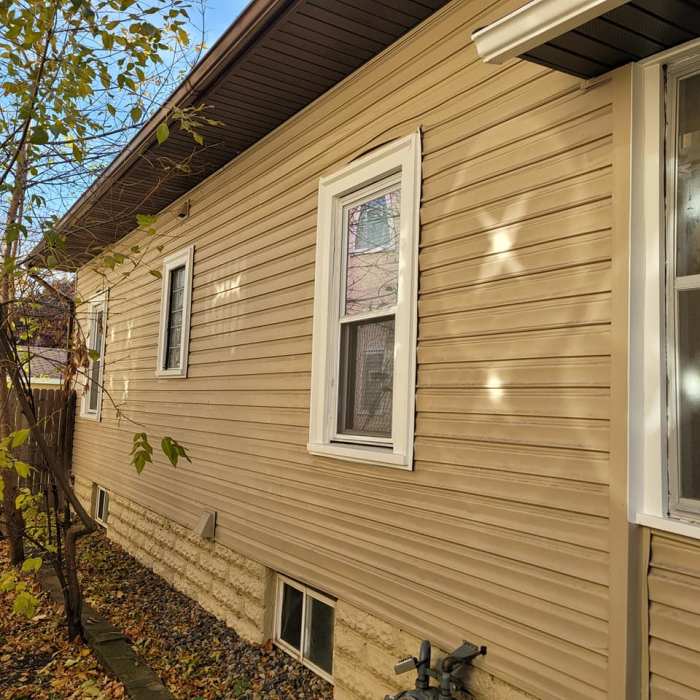
When melted siding occurs on a property, it can have several negative effects that impact both the appearance and safety of the building.
Impact on Aesthetics
The melted siding can greatly diminish the curb appeal of the property, giving it a disheveled and unattractive appearance. The once smooth and uniform exterior of the building is now marred by unsightly patches of melted material, creating an eyesore for residents and passersby alike.
Safety Hazards
Melted siding can pose potential safety hazards to the occupants of the building. The compromised integrity of the siding can lead to water infiltration, causing damage to the structure of the building and potentially leading to mold growth. Additionally, the melted material can release harmful chemicals into the air, posing health risks to those in the vicinity.
Prevention and Maintenance Tips
When it comes to preventing melted siding and maintaining the integrity of your home's exterior, there are several key tips to keep in mind. Regular maintenance plays a crucial role in extending the lifespan of your siding and protecting it from damage caused by extreme heat sources.
Regular Inspection and Cleaning
- Inspect your siding regularly for any signs of damage, warping, or discoloration that could indicate potential melting.
- Clean your siding at least once a year to remove dirt, debris, and other substances that could contribute to heat retention and melting.
- Consider using a pressure washer on a low setting to prevent damage to the siding surface while cleaning.
Proper Ventilation and Insulation
- Ensure proper ventilation in your home to prevent heat buildup that can affect the siding.
- Inspect and improve insulation in your walls to regulate indoor temperatures and reduce the impact of external heat sources on the siding.
- Consider installing a radiant barrier to reflect heat away from the siding and protect it from melting.
Shade and Protective Measures
- Plant trees or install awnings to provide shade and reduce direct exposure of the siding to sunlight and heat.
- Avoid placing grills, fire pits, or other heat sources too close to the siding to prevent damage from high temperatures.
- Consider applying heat-resistant paint or coatings to the siding for added protection against melting.
Last Point
Concluding our discussion on melted siding, we have explored the causes, effects, and prevention strategies associated with this phenomenon. By being informed and proactive, property owners can safeguard their siding and maintain the aesthetics and safety of their buildings.
Commonly Asked Questions
What are the common reasons behind siding melting?
Common reasons include exposure to intense heat sources, improper installation, and environmental factors.
How does melted siding affect the aesthetics of a building?
Melted siding can drastically diminish the visual appeal of a property, leading to a worn-out and unattractive appearance.
What are some tips to prevent siding from melting?
To prevent siding from melting, consider installing heat-resistant materials, providing adequate ventilation, and avoiding direct contact with heat sources.